
Insight
The Rise of Autonomous Manufacturing. Will AI and Robotics Redefine the Future of Industrial Labour?
By James Mane · November 6, 2026 · 1 min read
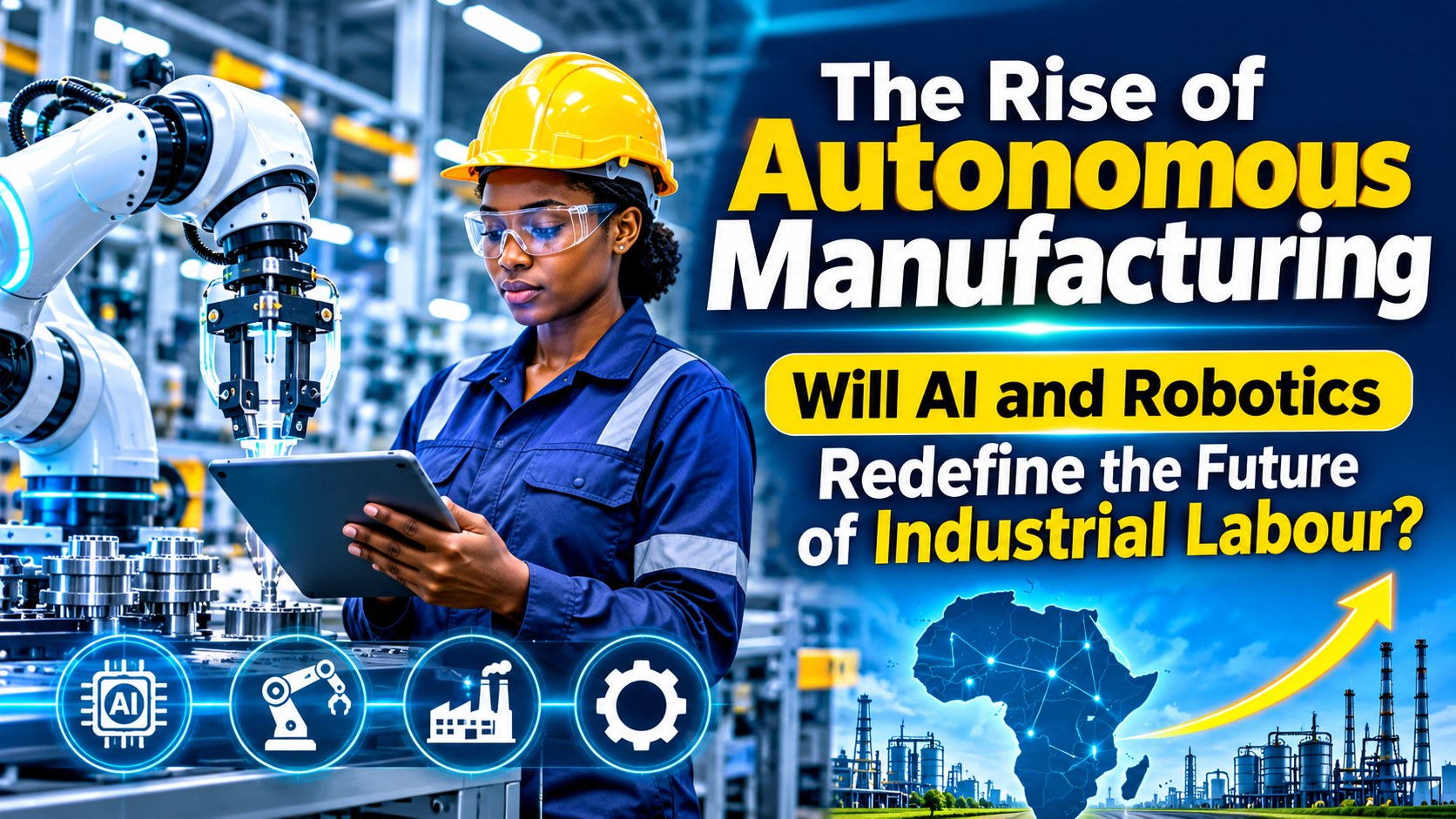
The manufacturing industry is entering a new era in which Artificial Intelligence (AI), robotics, and automation are transforming how products are designed, produced, and delivered. Autonomous manufacturing systems can perform complex industrial tasks with minimal human intervention, creating opportunities for increased productivity, precision, and operational efficiency.
AI-powered robots can assemble products, inspect quality, monitor equipment performance, and optimise production processes in real time. Combined with machine learning and industrial data analytics, these technologies enable factories to reduce operational costs, minimise production errors, and improve resource utilisation.
However, this transformation raises an important question about the future of industrial labour. While automation may reduce demand for certain repetitive and manual tasks, it will also create new opportunities in robotics engineering, AI systems management, industrial data analytics, and advanced technical maintenance.
For Africa, the challenge is not simply adopting automation but preparing its workforce and industries for this transition. Investments in technical education, digital skills, research, and industrial infrastructure will be essential.
The future of manufacturing will not necessarily be defined by machines replacing humans, but by how effectively humans and intelligent machines collaborate to create more productive and competitive industries.
#AIinManufacturing #IndustrialAutomation #Robotics #FutureOfWork #AIRSA