
Insight
Africa’s Digital Divide. Who Is Being Left Behind?
By James Mane · October 13, 2026 · 2 min read
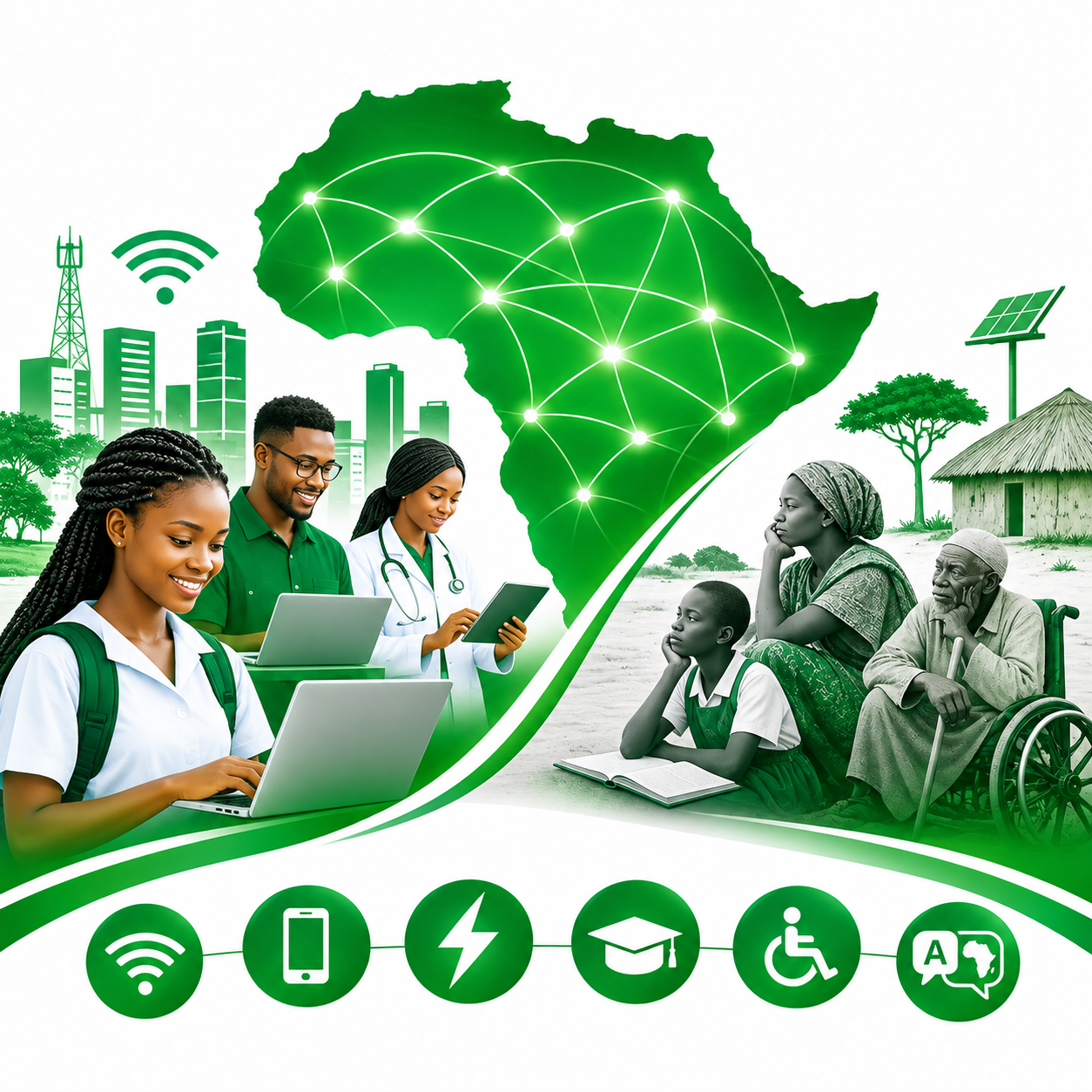
Africa’s digital transformation is creating new opportunities in education, business, healthcare, and public service delivery. However, these opportunities are not equally accessible to everyone. While some communities benefit from high-speed internet, digital financial services, and artificial intelligence, others remain excluded from the digital economy.
The digital divide extends beyond internet connectivity. It includes the affordability of smartphones and data, access to electricity, digital literacy, disability inclusion, and the availability of relevant digital content in African languages. Rural communities, low-income households, women, persons with disabilities, and marginalised populations often face additional barriers to meaningful digital participation.
This exclusion has serious economic and social consequences. Students without reliable internet access struggle to benefit from digital learning, while small businesses may miss opportunities to reach wider markets. Similarly, individuals lacking digital skills risk being excluded from emerging employment opportunities driven by technological innovation.
Addressing Africa’s digital divide requires coordinated action. Governments must invest in reliable infrastructure, affordable connectivity, and inclusive digital policies. Educational institutions and technology organisations should expand digital skills training, while businesses develop accessible and locally relevant solutions.
Ultimately, Africa’s digital future should not be measured solely by technological advancement but by how many people benefit from it. Digital inclusion must become a development priority, ensuring that no community is left behind.
The digital divide extends beyond internet connectivity. It includes the affordability of smartphones and data, access to electricity, digital literacy, disability inclusion, and the availability of relevant digital content in African languages. Rural communities, low-income households, women, persons with disabilities, and marginalised populations often face additional barriers to meaningful digital participation.
This exclusion has serious economic and social consequences. Students without reliable internet access struggle to benefit from digital learning, while small businesses may miss opportunities to reach wider markets. Similarly, individuals lacking digital skills risk being excluded from emerging employment opportunities driven by technological innovation.
Addressing Africa’s digital divide requires coordinated action. Governments must invest in reliable infrastructure, affordable connectivity, and inclusive digital policies. Educational institutions and technology organisations should expand digital skills training, while businesses develop accessible and locally relevant solutions.
Ultimately, Africa’s digital future should not be measured solely by technological advancement but by how many people benefit from it. Digital inclusion must become a development priority, ensuring that no community is left behind.