Insight
The Role of Universities and Research Institutions in Advancing Africa’s AI Ecosystem
By James Mane · October 12, 2026 · 2 min read
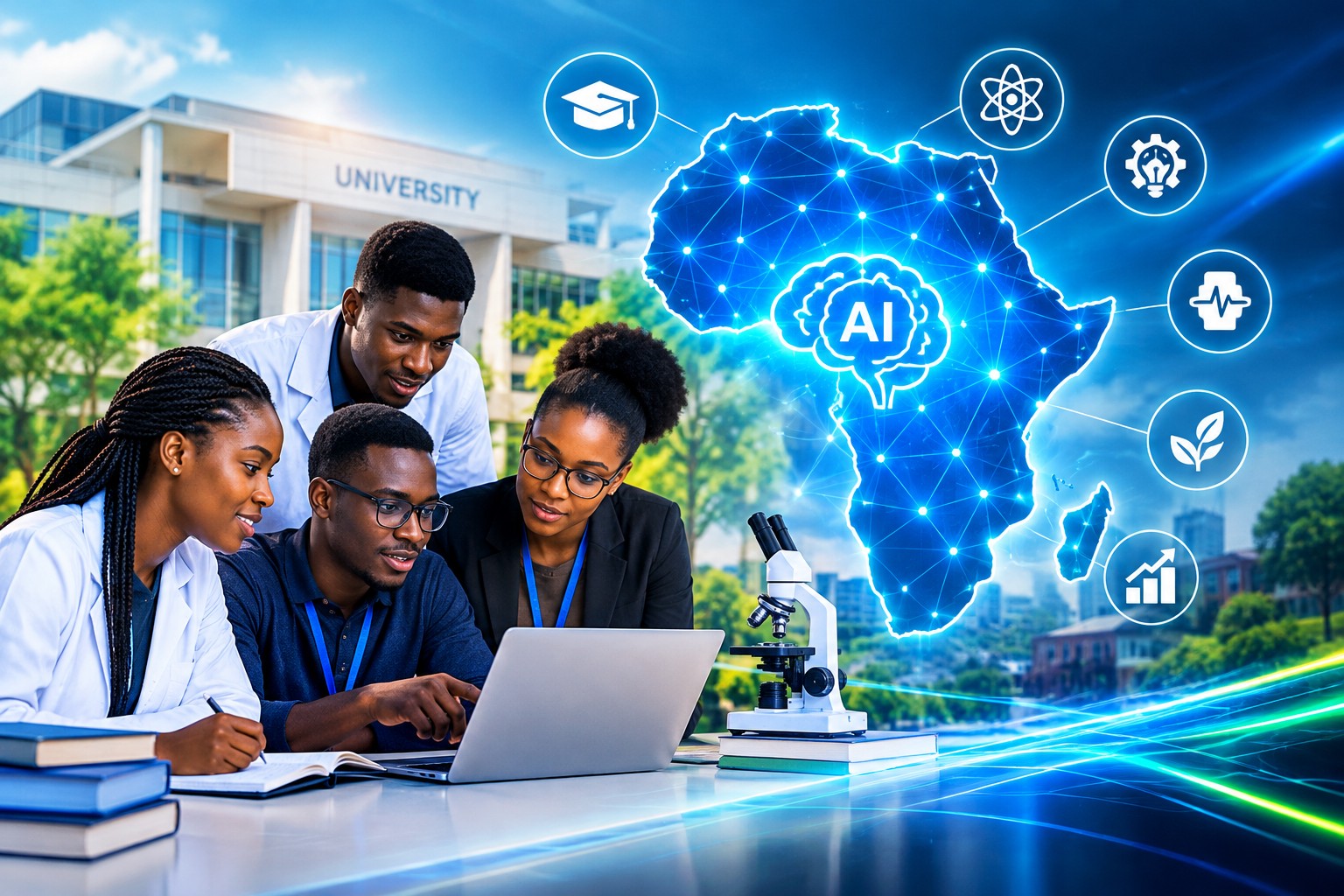
Universities and research institutions have a critical role to play in advancing Africa’s artificial intelligence (AI) ecosystem. As AI transforms industries, public services, and economic systems, African institutions must move beyond theoretical learning to develop practical solutions that address the continent’s unique challenges. Through research, innovation, and interdisciplinary collaboration, universities can help build the knowledge and technical capabilities required for Africa to participate meaningfully in the global AI economy.
One of the most important contributions of these institutions is developing AI talent. Integrating AI, machine learning, data science, and computational research into academic programmes can equip students and professionals with relevant skills. Equally important is investing in locally driven research that addresses challenges in agriculture, healthcare, education, financial inclusion, and climate resilience.
Collaboration between universities, governments, technology companies, and research organisations can accelerate the commercialisation of research findings. Such partnerships can transform academic discoveries into practical technologies, innovative startups, and scalable digital solutions. However, achieving this requires stronger research funding, modern computing infrastructure, accessible datasets, and policies that support responsible AI development.
Africa’s AI future depends not only on adopting existing technologies but also on creating homegrown innovations. Universities and research institutions must therefore become central pillars of an inclusive, ethical, and sustainable African AI ecosystem.
#ArtificialIntelligence #AIResearch #AfricanInnovation #DigitalTransformation #AIRSA
One of the most important contributions of these institutions is developing AI talent. Integrating AI, machine learning, data science, and computational research into academic programmes can equip students and professionals with relevant skills. Equally important is investing in locally driven research that addresses challenges in agriculture, healthcare, education, financial inclusion, and climate resilience.
Collaboration between universities, governments, technology companies, and research organisations can accelerate the commercialisation of research findings. Such partnerships can transform academic discoveries into practical technologies, innovative startups, and scalable digital solutions. However, achieving this requires stronger research funding, modern computing infrastructure, accessible datasets, and policies that support responsible AI development.
Africa’s AI future depends not only on adopting existing technologies but also on creating homegrown innovations. Universities and research institutions must therefore become central pillars of an inclusive, ethical, and sustainable African AI ecosystem.
#ArtificialIntelligence #AIResearch #AfricanInnovation #DigitalTransformation #AIRSA