Insight
The Future of Work in the AI Economy
By James Mane · August 5, 2026 · 2 min read
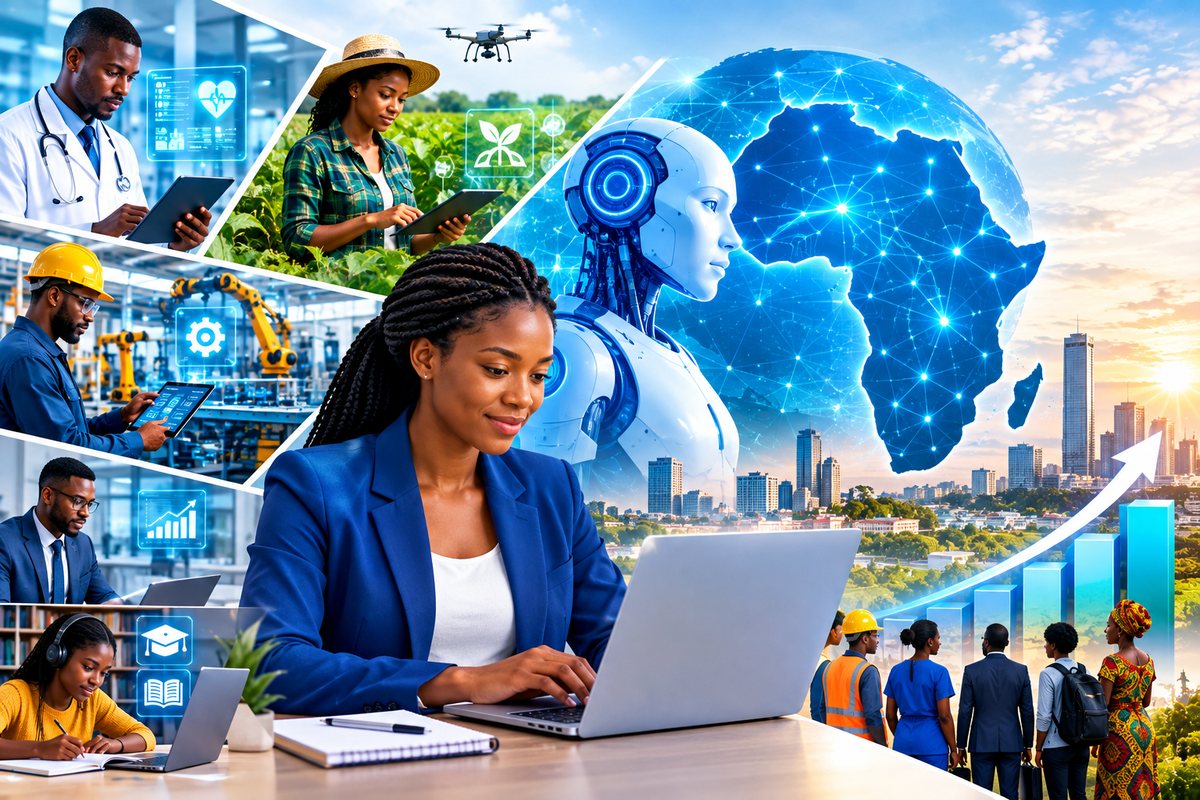
The world of work is undergoing a significant transformation as Artificial Intelligence (AI) reshapes industries, changes job responsibilities, and redefines the skills required for professional success. From automating repetitive tasks to improving decision-making and creating new industries, AI is influencing how businesses operate and how governments deliver services. Although automation raises concerns about job displacement, it also creates opportunities in technology, healthcare, agriculture, education, finance, manufacturing, and entrepreneurship.
The AI economy relies on intelligent automation, data-driven decision-making, digital innovation, robotics, and human-AI collaboration. As AI adoption expands, demand for digital literacy, programming, data analytics, cybersecurity, and machine learning skills is increasing. Equally important are human capabilities such as creativity, critical thinking, communication, leadership, adaptability, and ethical reasoning, which enable workers to collaborate effectively with intelligent systems.
Preparing for the future of work requires continuous learning and investment in workforce development. Governments must strengthen digital infrastructure, modernise education systems, support research, and establish policies that encourage responsible AI adoption. Businesses should invest in employee training, workforce reskilling, and innovation to ensure that technological advancement complements human capabilities. Educational institutions must also align training programmes with emerging labour market demands.
For Africa, AI presents opportunities to empower young people, strengthen entrepreneurship, improve agricultural productivity, expand financial inclusion, and develop locally relevant solutions. However, limited infrastructure, skills shortages, digital inequality, and cybersecurity risks must be addressed to ensure inclusive participation.
Ultimately, the future of work will depend on how effectively societies combine technological innovation with human development. By promoting lifelong learning, responsible governance, and equitable access to digital opportunities, countries can harness AI to enhance productivity, create employment opportunities, strengthen economic competitiveness, and achieve sustainable prosperity.
The AI economy relies on intelligent automation, data-driven decision-making, digital innovation, robotics, and human-AI collaboration. As AI adoption expands, demand for digital literacy, programming, data analytics, cybersecurity, and machine learning skills is increasing. Equally important are human capabilities such as creativity, critical thinking, communication, leadership, adaptability, and ethical reasoning, which enable workers to collaborate effectively with intelligent systems.
Preparing for the future of work requires continuous learning and investment in workforce development. Governments must strengthen digital infrastructure, modernise education systems, support research, and establish policies that encourage responsible AI adoption. Businesses should invest in employee training, workforce reskilling, and innovation to ensure that technological advancement complements human capabilities. Educational institutions must also align training programmes with emerging labour market demands.
For Africa, AI presents opportunities to empower young people, strengthen entrepreneurship, improve agricultural productivity, expand financial inclusion, and develop locally relevant solutions. However, limited infrastructure, skills shortages, digital inequality, and cybersecurity risks must be addressed to ensure inclusive participation.
Ultimately, the future of work will depend on how effectively societies combine technological innovation with human development. By promoting lifelong learning, responsible governance, and equitable access to digital opportunities, countries can harness AI to enhance productivity, create employment opportunities, strengthen economic competitiveness, and achieve sustainable prosperity.