
Insight
Who Is Accountable When AI Makes Mistakes? Rethinking Liability and Responsibility in the Age of Artificial Intelligence
By James Mane · November 23, 2026 · 1 min read
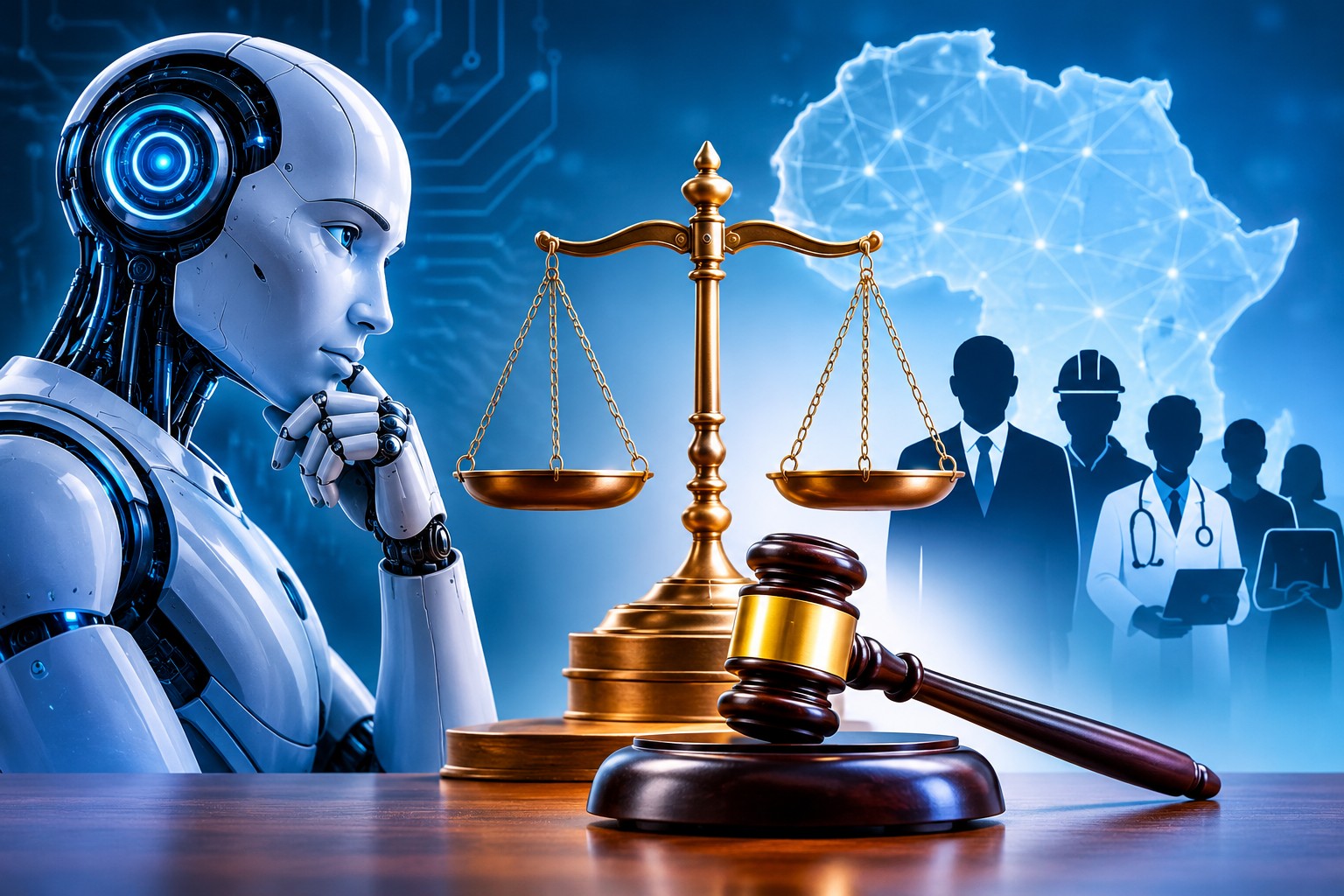
Artificial intelligence is increasingly influencing decisions in healthcare, finance, education, employment, public administration, and other critical sectors. However, as AI systems become more autonomous and influential, an important governance question emerges. Who should be held accountable when an AI system makes a mistake that causes financial loss, discrimination, reputational damage, or physical harm?
The challenge is that AI-related decisions often involve multiple stakeholders, including developers, technology providers, deploying organisations, data controllers, and end users. Determining responsibility becomes particularly complicated when an AI system produces an unexpected outcome that cannot easily be traced to a single human decision. Nevertheless, technological complexity should never become an excuse for the absence of accountability.
Effective AI governance requires clear legal responsibilities, transparent decision-making processes, human oversight, independent audits, and accessible mechanisms for reporting and addressing harm. Organisations deploying AI must remain responsible for understanding the risks associated with these technologies rather than shifting responsibility entirely to algorithms or software developers.
Ultimately, AI may make decisions, but accountability must remain a human and institutional obligation. As societies embrace intelligent technologies, the principle must be clear: innovation should advance alongside responsibility, transparency, and justice.