
Insight
The Role of Artificial Intelligence in Smart Property Management and Rental Administration
By James Mane · November 20, 2026 · 1 min read
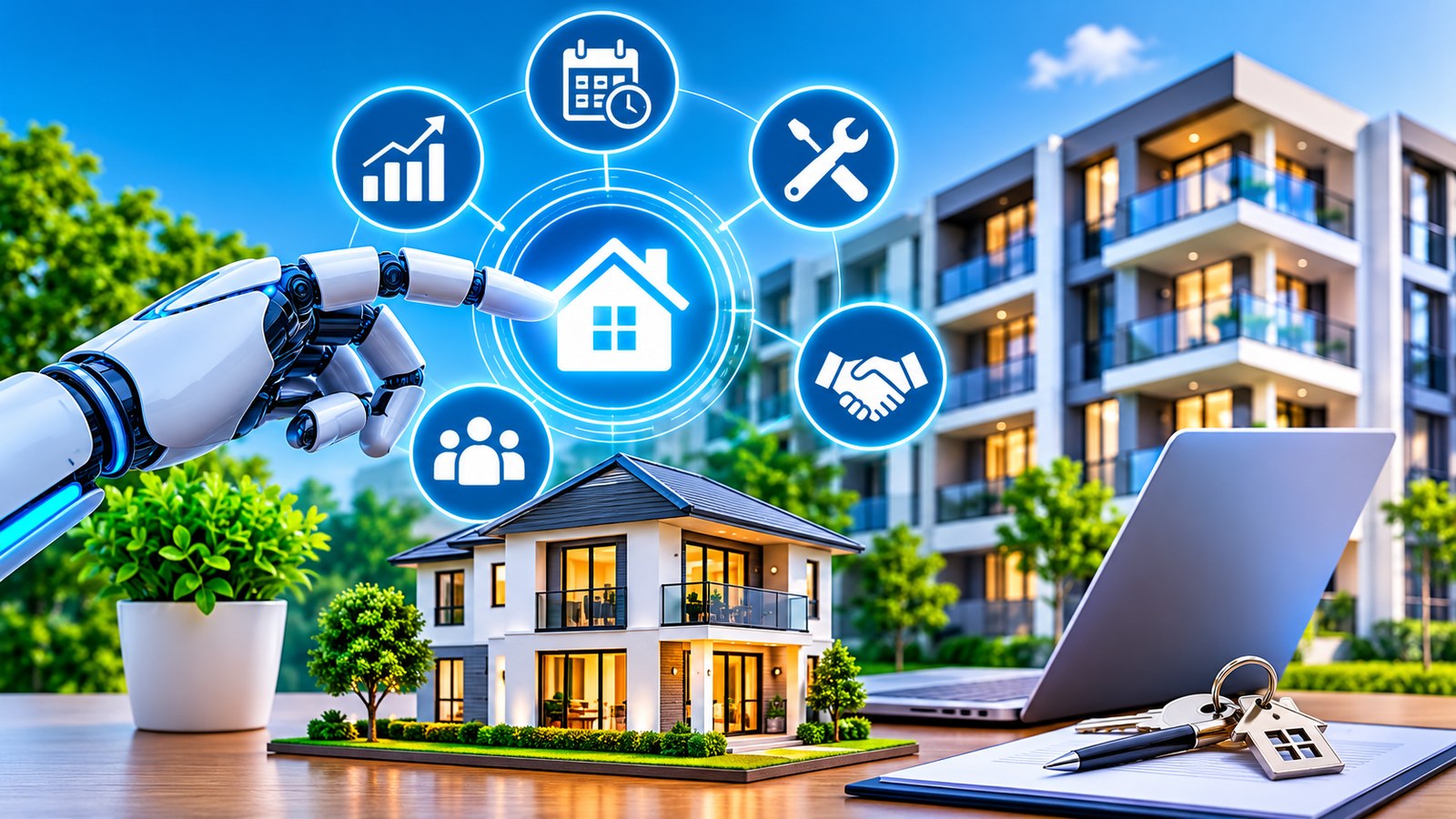
Artificial Intelligence (AI) is transforming the real estate industry by redefining how properties are managed, marketed, rented and maintained. As rental markets become increasingly competitive and technology-driven, AI offers innovative solutions for improving operational efficiency, transparency and tenant satisfaction.
Through intelligent automation, property managers can streamline rental administration, including rent collection, lease management, tenant communication and maintenance scheduling. AI-powered chatbots can provide tenants with instant responses to enquiries, while predictive analytics can help property owners anticipate maintenance requirements, reduce operational costs and make informed investment decisions.
Furthermore, AI-driven platforms can analyse market trends, property characteristics and rental demand to support more accurate rental pricing. Intelligent property-matching systems can also connect landlords with prospective tenants based on their preferences, budgets and location requirements.
However, the adoption of AI in property management also raises important concerns regarding data privacy, algorithmic bias, cybersecurity and the fair treatment of tenants. Responsible implementation and appropriate regulatory oversight are therefore essential.
The future of rental administration will increasingly depend on the integration of AI, automation and data-driven decision-making. The opportunity lies in building smarter, more transparent and accessible rental markets that benefit landlords, tenants and the wider housing sector.