Insight
How Can Artificial Intelligence Accelerate the Achievement of the UN Sustainable Development Goals by 2030?
By James Mane · October 31, 2026 · 2 min read
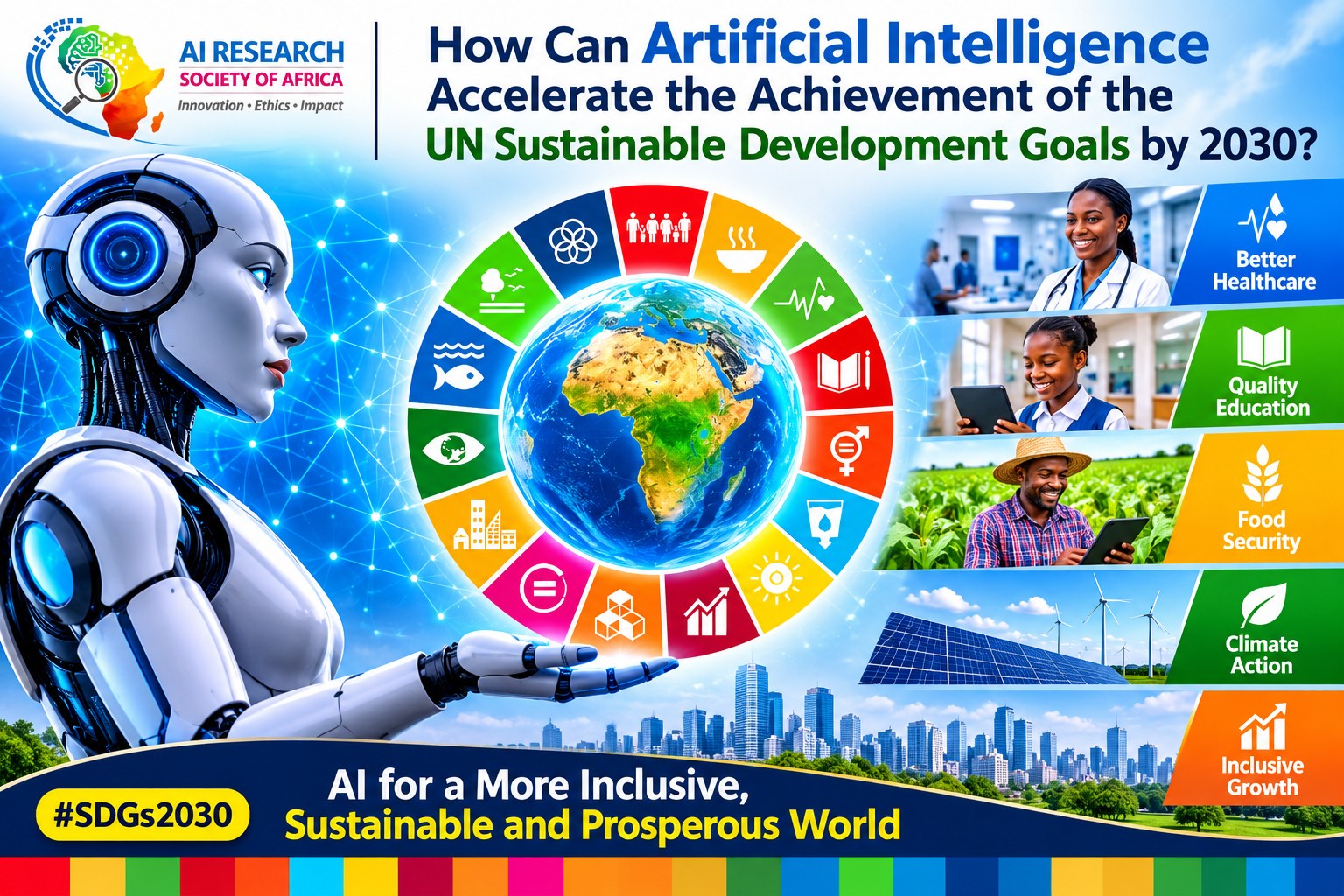
Artificial Intelligence (AI) is emerging as a powerful tool for accelerating progress towards the United Nations Sustainable Development Goals (SDGs). With the 2030 deadline approaching, AI offers opportunities to address complex global challenges through data-driven decision-making, automation, innovation, and improved resource allocation.
In healthcare, AI can support early disease detection, improve medical diagnostics, and expand access to healthcare services. In education, intelligent learning platforms can provide personalised learning experiences and help bridge educational inequalities. In agriculture, AI-powered technologies can improve crop monitoring, predict weather patterns, detect pests, and strengthen food security. Similarly, AI can support climate action through environmental monitoring, renewable energy optimisation, and disaster prediction.
For developing economies, particularly across Africa, AI presents opportunities to accelerate industrialisation, create employment opportunities, strengthen public institutions, and improve access to essential services. However, achieving these benefits requires investment in digital infrastructure, research, skills development, responsible AI governance, and inclusive innovation.
The challenge is not simply developing more advanced AI technologies but ensuring that these technologies address real human and development needs.
Ultimately, AI should be viewed not as a replacement for sustainable development policies but as an enabler of their effective implementation. The question is whether governments, businesses, universities, and development organisations can collaborate effectively to harness AI for a more inclusive and sustainable future by 2030.