
Insight
Who Is Legally Responsible When Artificial Intelligence Makes a Wrong Decision?
By James Mane · October 30, 2026 · 2 min read
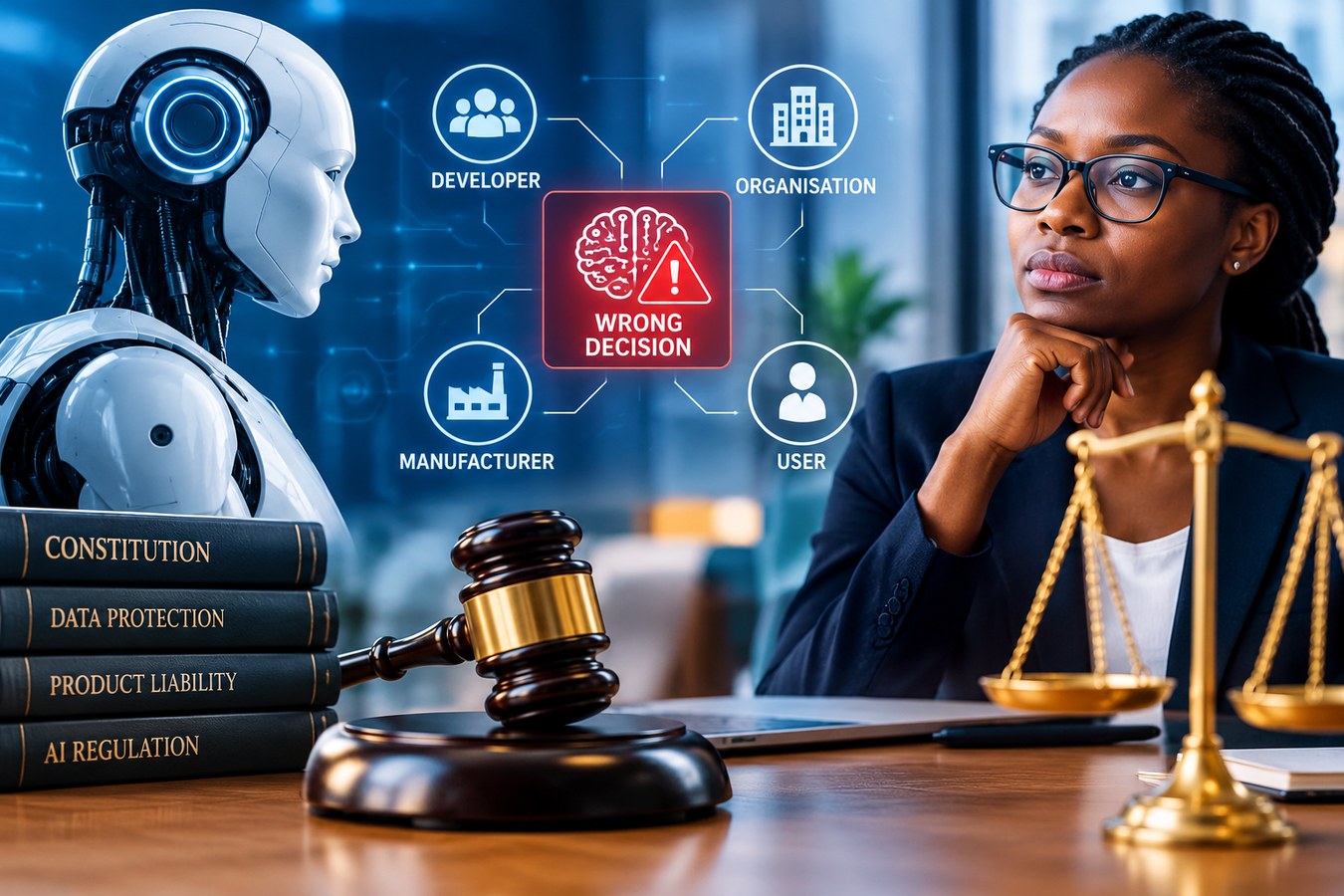
Artificial Intelligence is increasingly influencing decisions in healthcare, banking, recruitment, education, law enforcement and other critical sectors. However, as AI systems become more autonomous, an important legal question emerges. Who should be held responsible when an AI system makes a wrong decision that causes harm?
Unlike traditional technologies, AI systems can analyse large datasets, identify patterns and generate decisions with limited human intervention. For example, an AI-powered recruitment system may unfairly reject qualified candidates, a medical diagnostic tool may produce an incorrect diagnosis, or an automated financial system may wrongfully deny someone access to credit.
Determining legal responsibility in such situations is complex. Should liability rest with the software developer, the organisation deploying the technology, the manufacturer, or the individual relying on its recommendations?
Existing legal principles concerning negligence, product liability, consumer protection and data protection may provide avenues for accountability. However, their application to increasingly complex AI systems presents new challenges.
Governments and legal institutions must therefore establish clear regulatory frameworks that define responsibility, protect affected individuals and ensure transparency in automated decision-making.
As artificial intelligence continues to transform society, one fundamental question remains. Can we trust AI to make decisions if the law cannot clearly determine who is accountable when those decisions go wrong?