
Insight
Data Sovereignty: The Foundation of Africa’s AI Future
By James Mane · July 11, 2026 · 2 min read
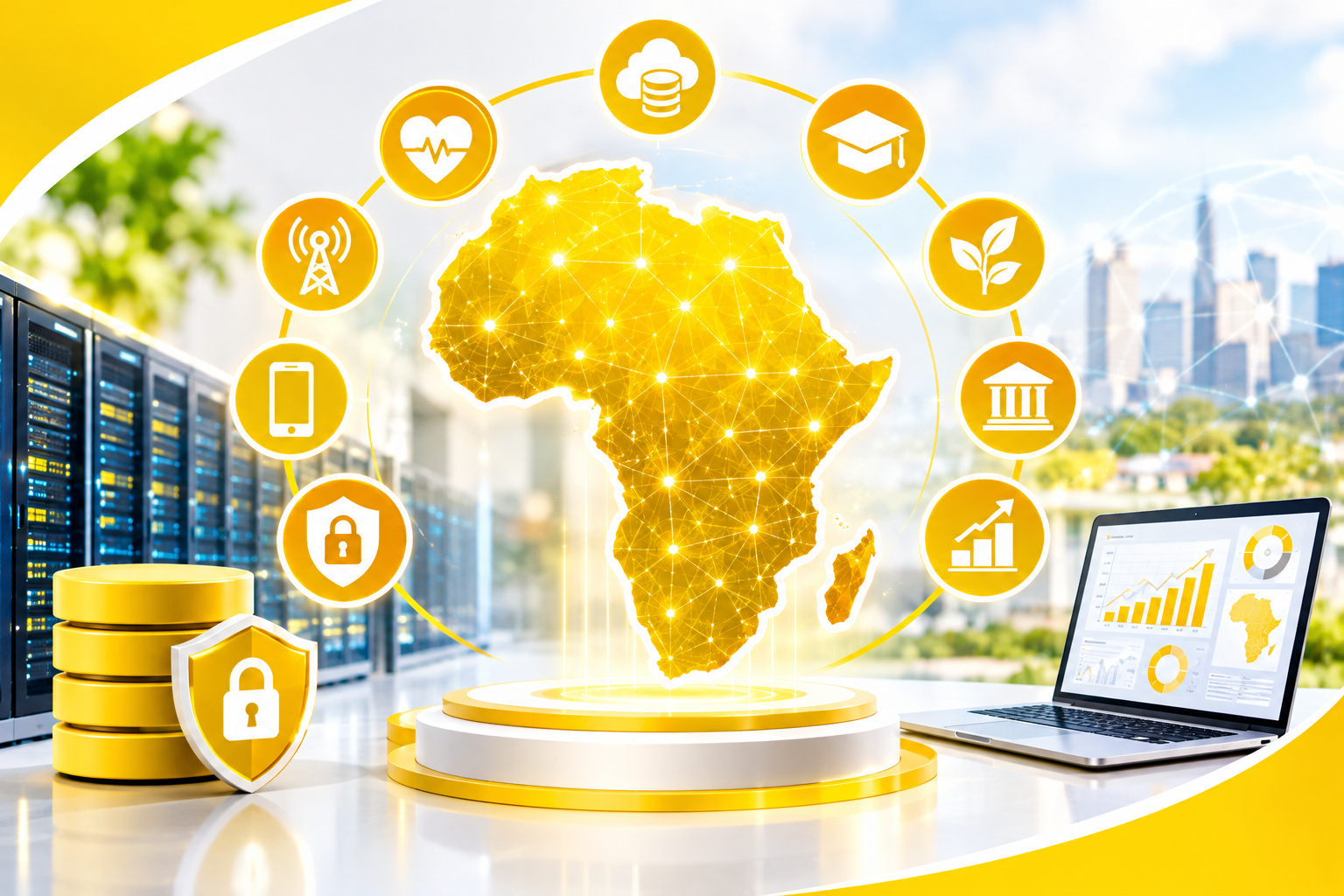
Artificial Intelligence (AI) is transforming healthcare, education, agriculture, finance, and governance. Yet, behind every intelligent system lies a critical resource: data. Countries that develop the capacity to govern, protect, and utilize high-quality data will be better positioned to shape the future of AI.
Africa generates vast amounts of data through mobile communications, financial transactions, healthcare services, agriculture, education, and digital platforms. However, much of this information is processed and monetized beyond the continent, limiting local access to resources needed to develop solutions for African challenges.
Data sovereignty is therefore an economic and strategic priority. African governments must establish effective data governance policies, invest in secure local infrastructure, and promote responsible data sharing while protecting privacy and individual rights. National and regional data repositories could strengthen research and accelerate innovation.
Businesses, universities, telecommunications companies, and healthcare institutions also have an important role. Through secure, ethical, and properly anonymized data-sharing arrangements, they can support African startups and researchers in developing competitive AI applications.
Equally important is investment in digital literacy, data science, machine learning, and AI research. Strong regulatory frameworks must encourage innovation while ensuring transparency, fairness, accountability, and cybersecurity.
Africa has the talent, markets, and data to become a global leader in responsible AI. By prioritizing data sovereignty, the continent can move beyond consuming imported technologies to creating African-led solutions that drive inclusive economic growth and sustainable development.
Africa generates vast amounts of data through mobile communications, financial transactions, healthcare services, agriculture, education, and digital platforms. However, much of this information is processed and monetized beyond the continent, limiting local access to resources needed to develop solutions for African challenges.
Data sovereignty is therefore an economic and strategic priority. African governments must establish effective data governance policies, invest in secure local infrastructure, and promote responsible data sharing while protecting privacy and individual rights. National and regional data repositories could strengthen research and accelerate innovation.
Businesses, universities, telecommunications companies, and healthcare institutions also have an important role. Through secure, ethical, and properly anonymized data-sharing arrangements, they can support African startups and researchers in developing competitive AI applications.
Equally important is investment in digital literacy, data science, machine learning, and AI research. Strong regulatory frameworks must encourage innovation while ensuring transparency, fairness, accountability, and cybersecurity.
Africa has the talent, markets, and data to become a global leader in responsible AI. By prioritizing data sovereignty, the continent can move beyond consuming imported technologies to creating African-led solutions that drive inclusive economic growth and sustainable development.