Insight
Can Artificial Intelligence Bridge Africa’s Education and Skills Gap?
By James Mane · October 14, 2026 · 2 min read
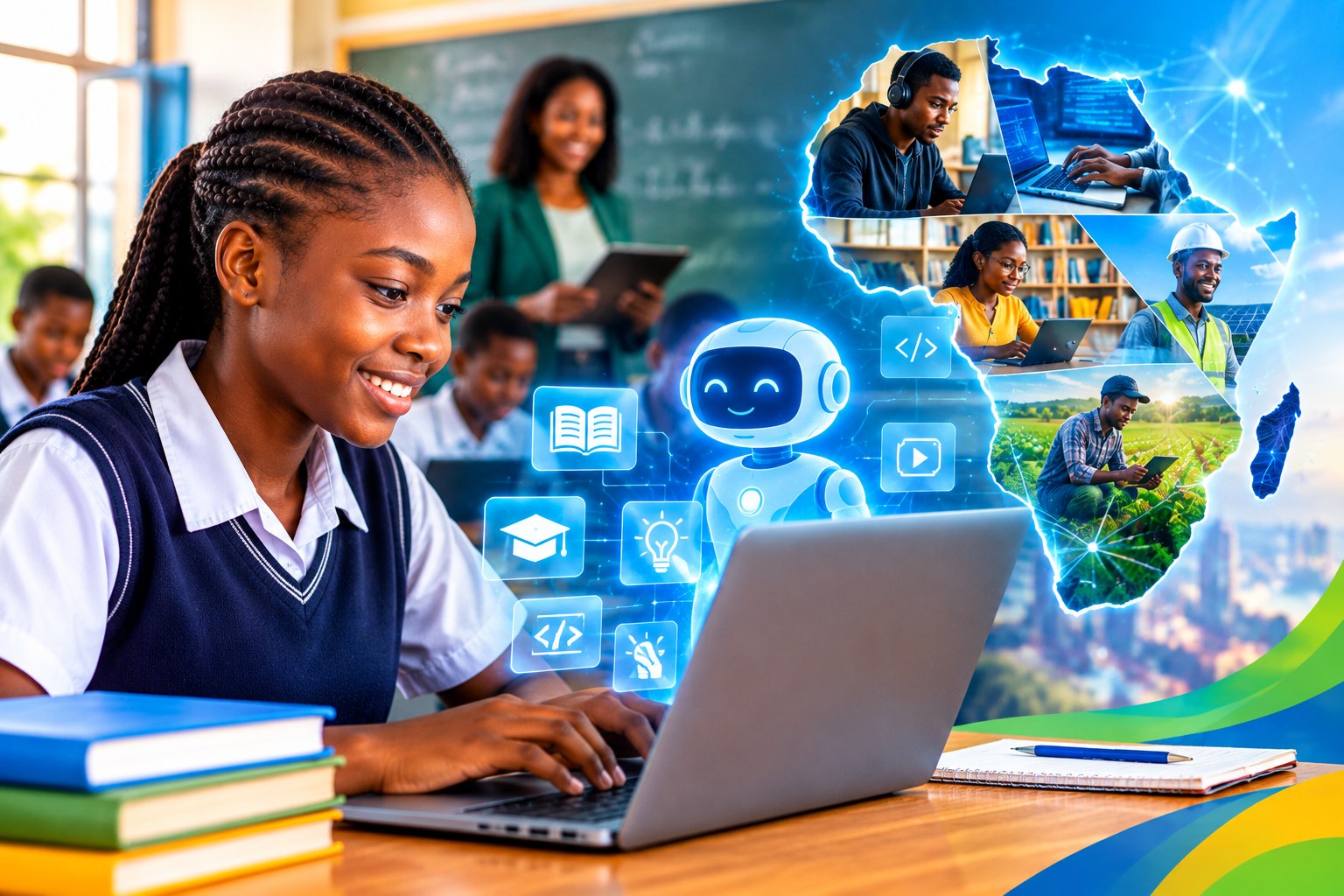
Artificial intelligence (AI) presents significant opportunities to address Africa’s education and skills gap. Across the continent, many learners face challenges such as limited access to quality educational resources, inadequate digital infrastructure, and insufficient practical training. AI can help address some of these barriers by providing personalised learning experiences, interactive tutoring, and access to educational materials beyond traditional classrooms.
AI-powered tools can support teachers in preparing lessons, developing assessments, and identifying students’ learning needs. They can also help students acquire practical skills in data analytics, programming, research, entrepreneurship, and digital productivity. These competencies are increasingly important as industries adopt new technologies and demand adaptable, digitally skilled professionals.
However, AI alone cannot resolve Africa’s educational challenges. Limited internet connectivity, electricity shortages, affordability, language barriers, and inadequate teacher training may prevent many learners from benefiting. Additionally, excessive dependence on AI can weaken critical thinking, while inaccurate outputs and privacy concerns require responsible management.
To maximise the benefits, African governments, universities, businesses, and development partners must invest in digital infrastructure, teacher development, relevant curricula, and inclusive AI education. Local innovation and industry partnerships are equally important in ensuring that training translates into employment and entrepreneurship.
Ultimately, AI can help bridge Africa’s education and skills gap when supported by effective policies, equitable access, and human-centred implementation. The objective is not merely to introduce technology into classrooms, but to empower Africans with the knowledge and capabilities to shape the continent’s digital future.
AI-powered tools can support teachers in preparing lessons, developing assessments, and identifying students’ learning needs. They can also help students acquire practical skills in data analytics, programming, research, entrepreneurship, and digital productivity. These competencies are increasingly important as industries adopt new technologies and demand adaptable, digitally skilled professionals.
However, AI alone cannot resolve Africa’s educational challenges. Limited internet connectivity, electricity shortages, affordability, language barriers, and inadequate teacher training may prevent many learners from benefiting. Additionally, excessive dependence on AI can weaken critical thinking, while inaccurate outputs and privacy concerns require responsible management.
To maximise the benefits, African governments, universities, businesses, and development partners must invest in digital infrastructure, teacher development, relevant curricula, and inclusive AI education. Local innovation and industry partnerships are equally important in ensuring that training translates into employment and entrepreneurship.
Ultimately, AI can help bridge Africa’s education and skills gap when supported by effective policies, equitable access, and human-centred implementation. The objective is not merely to introduce technology into classrooms, but to empower Africans with the knowledge and capabilities to shape the continent’s digital future.