
Insight
Artificial Intelligence and Its Transformative Impact Across Industries
By James Mane · August 5, 2026 · 2 min read
Artificial Intelligence (AI) has evolved into one of the most influential technologies of the 21st century, transforming how people live, work, and interact with businesses and institutions. By enabling machines to learn from data, recognise patterns, generate content, and support decision-making, AI is creating opportunities for innovation across multiple sectors.
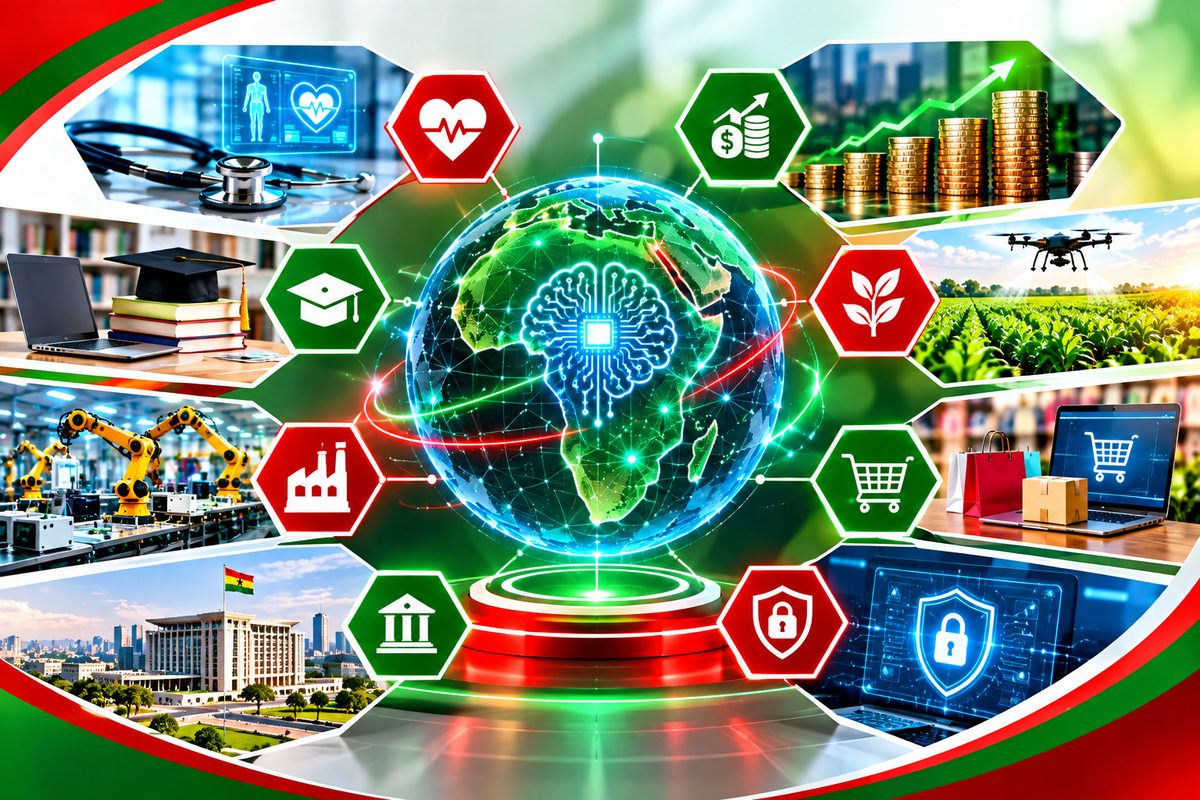
In healthcare, AI assists with disease detection, medical research, and personalised treatment. Financial institutions use AI to detect fraud, assess risks, and improve customer service. In education, intelligent learning platforms support personalised instruction, while agricultural applications help farmers monitor crops, predict weather conditions, and optimise resource allocation.
Manufacturing and retail businesses leverage AI to automate operations, improve quality control, forecast demand, and enhance customer experiences. Governments can also apply AI to strengthen public service delivery, analyse policy outcomes, and improve administrative efficiency. Meanwhile, AI-powered cybersecurity systems help organisations identify threats and protect digital infrastructure.
Despite these benefits, AI introduces challenges involving data privacy, algorithmic bias, accountability, cybersecurity, and workforce displacement. Addressing these concerns requires responsible governance, ethical standards, human oversight, and continuous skills development.
As AI capabilities continue to advance, individuals and organisations must embrace lifelong learning and strategic innovation. Success will depend not simply on adopting AI technologies, but on applying them responsibly to solve real-world problems.
Ultimately, Artificial Intelligence represents a powerful catalyst for economic growth, industrial transformation, and sustainable development when guided by human values and inclusive policies.
In healthcare, AI assists with disease detection, medical research, and personalised treatment. Financial institutions use AI to detect fraud, assess risks, and improve customer service. In education, intelligent learning platforms support personalised instruction, while agricultural applications help farmers monitor crops, predict weather conditions, and optimise resource allocation.
Manufacturing and retail businesses leverage AI to automate operations, improve quality control, forecast demand, and enhance customer experiences. Governments can also apply AI to strengthen public service delivery, analyse policy outcomes, and improve administrative efficiency. Meanwhile, AI-powered cybersecurity systems help organisations identify threats and protect digital infrastructure.
Despite these benefits, AI introduces challenges involving data privacy, algorithmic bias, accountability, cybersecurity, and workforce displacement. Addressing these concerns requires responsible governance, ethical standards, human oversight, and continuous skills development.
As AI capabilities continue to advance, individuals and organisations must embrace lifelong learning and strategic innovation. Success will depend not simply on adopting AI technologies, but on applying them responsibly to solve real-world problems.
Ultimately, Artificial Intelligence represents a powerful catalyst for economic growth, industrial transformation, and sustainable development when guided by human values and inclusive policies.