
Insight
AI-Generated Content and Copyright Law: Who Owns What Artificial Intelligence Creates?
By James Mane · October 20, 2026 · 2 min read
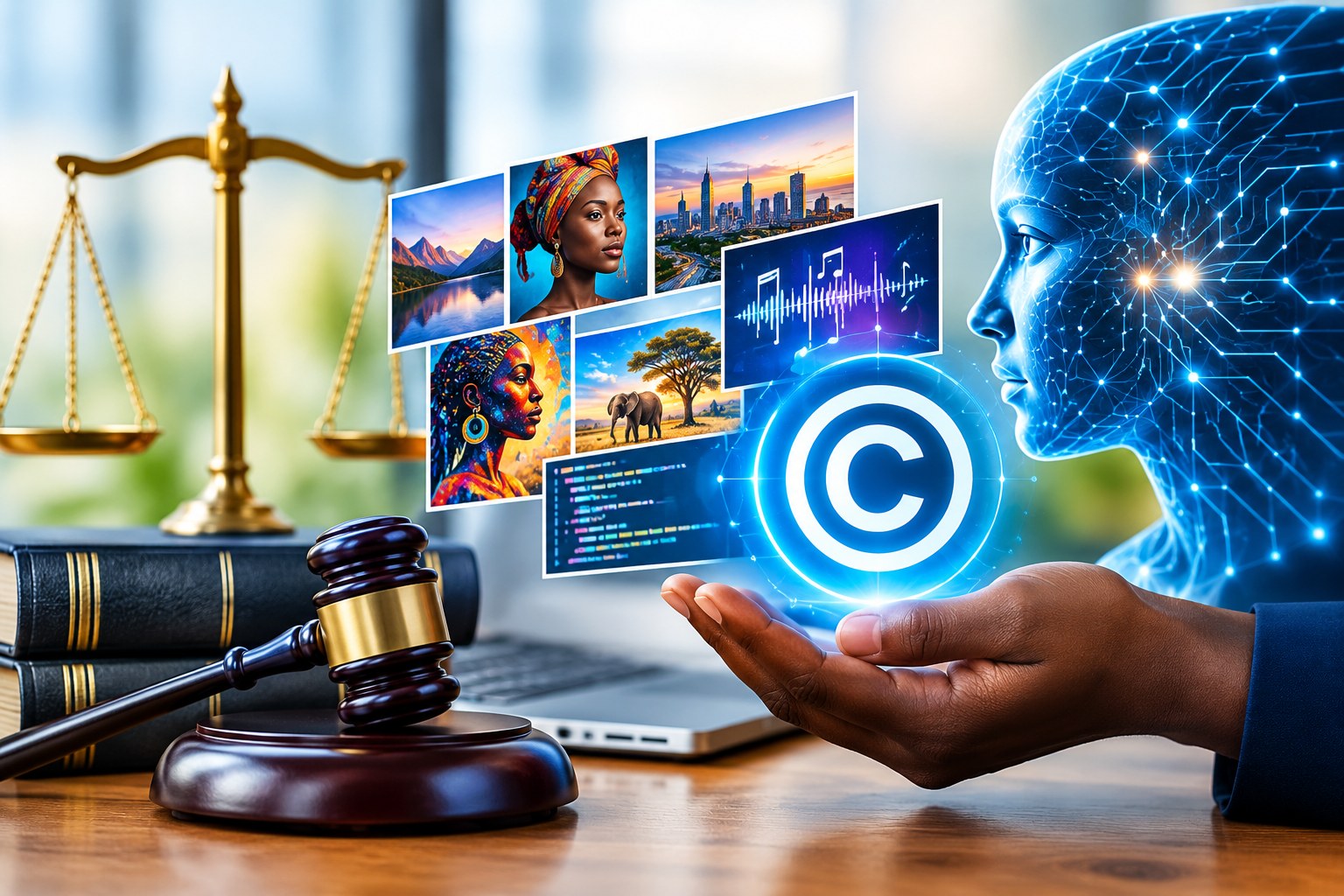
Artificial intelligence is transforming how people create articles, images, music, videos, software, and other digital content. However, this technological advancement raises an important legal question: who owns the copyright to content generated by AI?
Traditionally, copyright law protects original works created through human intellectual effort. AI-generated content challenges this principle because an AI system can produce sophisticated outputs based on prompts, training data, and learned patterns. The legal position varies across jurisdictions, particularly regarding whether human involvement is sufficient to establish copyright ownership.
A person who provides prompts may not automatically own the copyright to every AI-generated output. Ownership can depend on the applicable law, the level of human creative contribution, the nature of the work, and the terms governing the AI platform. Questions also arise when AI systems are trained using copyrighted materials without permission, potentially creating disputes over infringement, licensing, and compensation.
For businesses, researchers, artists, and legal professionals, understanding these distinctions is increasingly important. Organisations should establish clear policies for AI-assisted content creation, verify the rights associated with generated materials, and document meaningful human contributions.
Ultimately, copyright law must evolve alongside AI technology. The objective should be to encourage innovation while protecting creators' rights, promoting accountability, and providing legal clarity. Establishing balanced rules will be essential to ensuring that AI-generated creativity develops within a fair and responsible intellectual property framework.